
What Buyers Really Care About When Purchasing an Extrusion Line?
If you’ve been in the plastic machinery business long enough, you’ll notice something interesting: buyers rarely make decisions based on brochures. Specifications matter, of course, but they are not what truly drives a purchase. From our experience as a Chinese extrusion line manufacturer, what buyers say they want and what they actually care about are often two different things.
In the early stage, most inquiries start with familiar questions — output, screw diameter, motor power, price. But as communication goes deeper, the focus shifts. Serious buyers begin to look beyond numbers. They start thinking about risk.
The first real concern is stability. Not just whether the machine can run, but whether it can run continuously without problems. Many clients have had bad experiences before — lines that worked perfectly during testing but failed after a few months of production. For them, consistency matters more than peak performance. A slightly lower output is acceptable if the line can run 24 hours a day without interruption.
Then comes material adaptability. On paper, many extrusion lines can process PVC, PE, or PP. In reality, different raw material sources behave differently. Recycled content, fillers, and local compound quality all affect production. Buyers care about how forgiving the machine is. Can it handle unstable material quality? Can it maintain product consistency without constant adjustment? These questions often determine whether a deal moves forward.
Another factor that is often underestimated is ease of operation. In many markets, especially in developing countries, skilled technicians are not always available. A machine that requires constant fine-tuning becomes a burden. Buyers prefer equipment that their operators can learn quickly. Clear control logic, stable parameters, and simple maintenance routines matter more than advanced but complicated features.
After-sales support is where many suppliers lose trust. Buyers are not just purchasing a machine; they are committing to a long-term relationship. When something goes wrong, they need fast and practical support, not delayed responses or generic manuals. Time zone differences, language barriers, and spare parts availability all come into play. From our side, we’ve learned that responsiveness builds more confidence than any technical document.
Energy consumption has also become a growing concern. It may not be the first question buyers ask, but it often becomes critical during final negotiations. Electricity costs directly affect profit margins, especially for high-output lines running continuously. A machine that saves even a small percentage of energy can create significant long-term value.
Delivery time is another sensitive issue. Many buyers have experienced delays that disrupted their project schedules. As a result, they are cautious about promises. A realistic and achievable timeline is far more convincing than an aggressive one that cannot be guaranteed. Trust is built when expectations are met, not when they are exaggerated.
Finally, there is the question buyers rarely ask directly: “Will this supplier still support me in three years?” This is where reputation, communication style, and transparency play a role. Buyers look for signs — how you explain problems, how you handle details, how consistent your information is. These small signals often influence decisions more than price differences.
In the end, purchasing an extrusion line is not just a technical decision. It is a balance between performance, risk, and trust. Suppliers who understand this tend to build long-term partnerships, while those who focus only on selling equipment often struggle to retain customers.
FAQ
Q1: Why do buyers care more about stability than maximum output?
Because downtime costs more than lost capacity. A stable line ensures predictable production and reduces the risk of delays and defects.
Q2: How important is material adaptability in extrusion lines?
Very important. Raw material quality varies by region, and a machine that handles fluctuations well reduces production headaches.
Q3: Do buyers really consider operator skill levels when choosing a machine?
Yes. In many markets, simple operation and low training requirements are key factors in the final decision.
Q4: What role does after-sales support play in purchasing decisions?
It’s critical. Fast response and reliable support often outweigh small differences in price or specifications.
Q5: Is energy consumption a deciding factor?
Increasingly so. Over time, energy savings can significantly impact overall production costs.
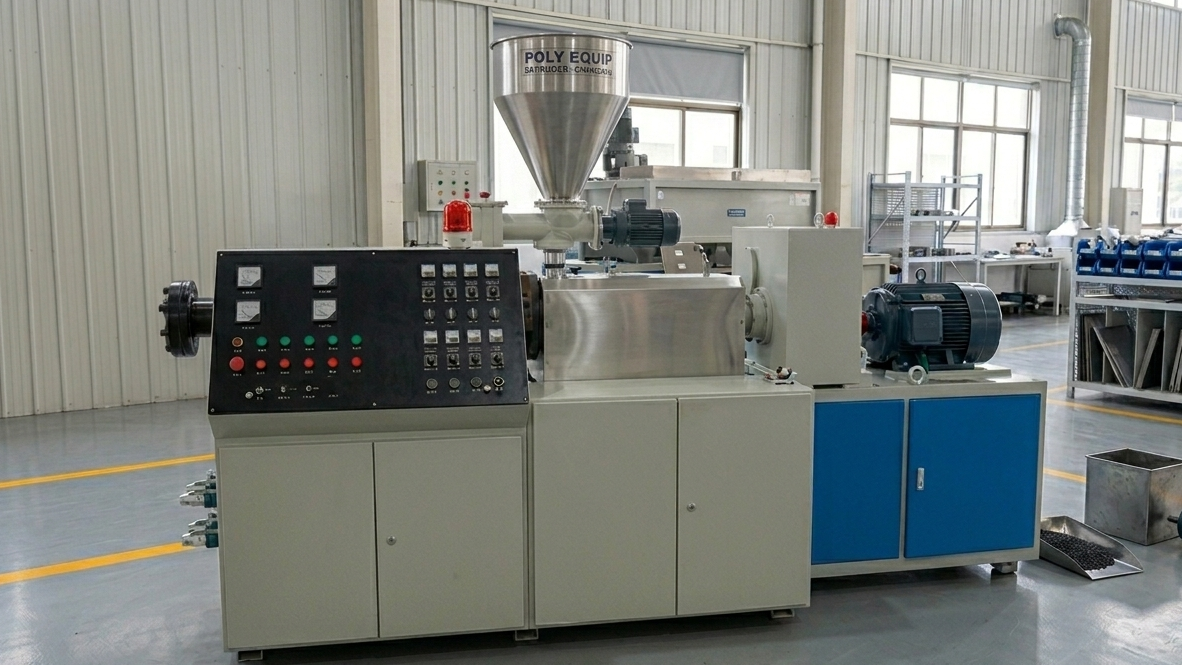 What Buyers Really Care About
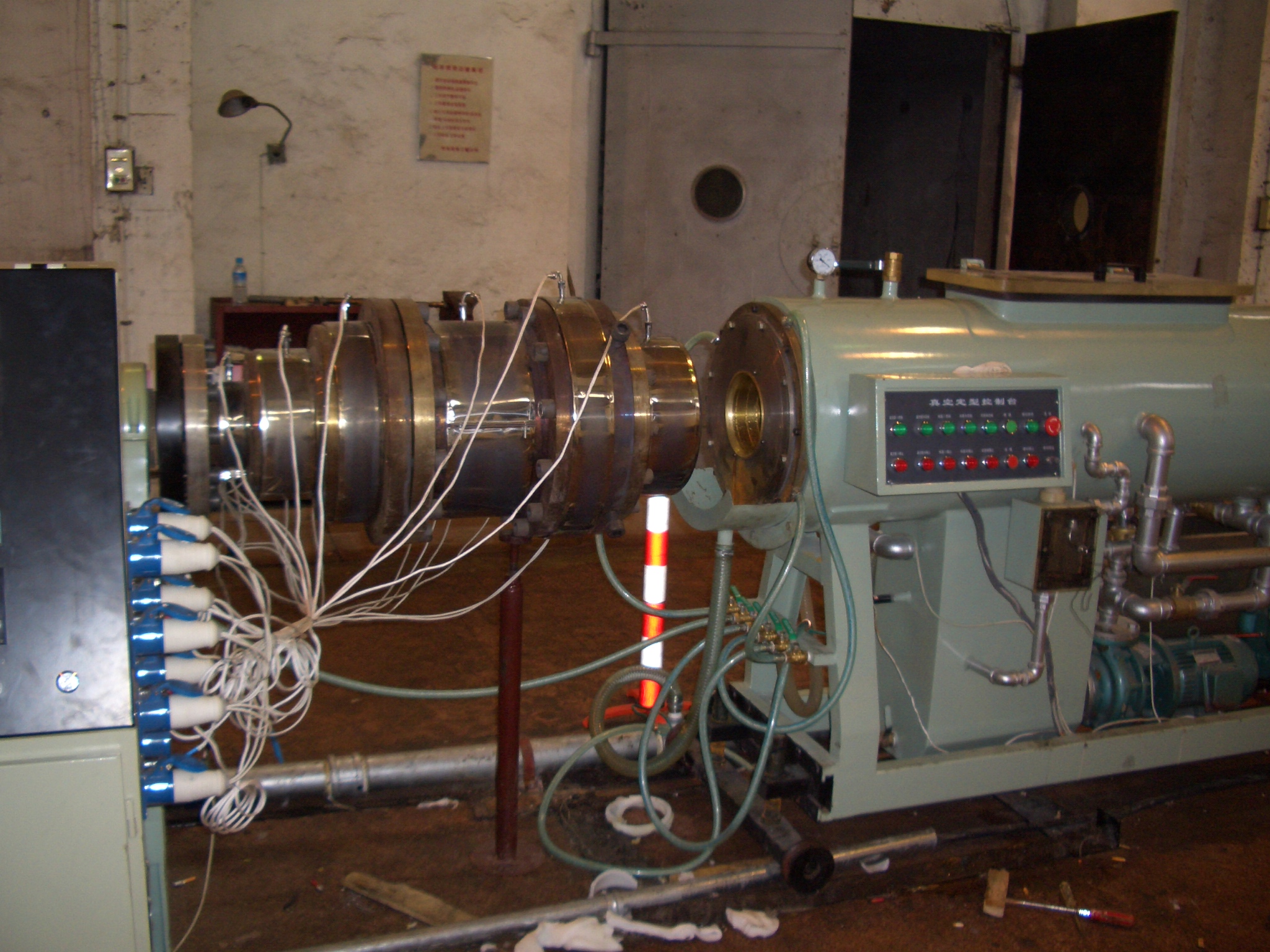 What Is the Cost of a Plastic
 What Is the ROI of a PET Sheet